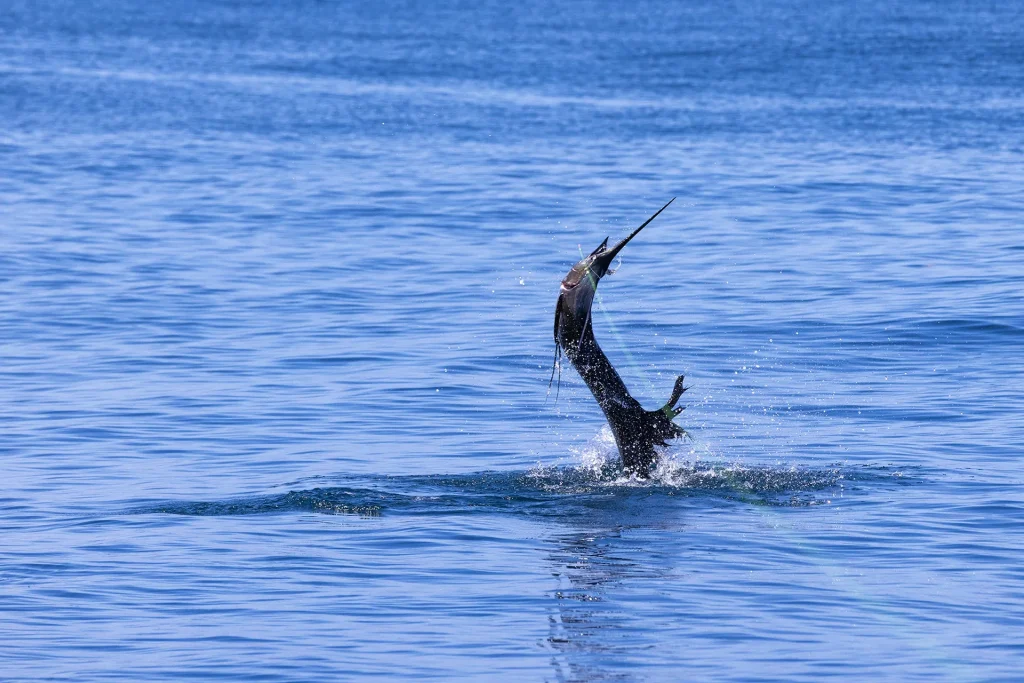
Sailfish leaping from the blue water off Playa Potrero on Costa Rica's Guanacaste coast
Know Your Catch

Fish Species of Playa Potrero

From bruising inshore roosterfish to blue marlin screaming off the drop, the waters off Playa Potrero hold some of the most sought-after gamefish in Costa Rica. Here's what's swimming out there — and what it's like to hook into each one.

Plan Your Trip
Set Your Sights

Two Fisheries, One Bay

Playa Potrero sits on the Gulf of Papagayo, where a short run from the beach puts you on two completely different fisheries. Close in, the rocky points and reefs hold hard-fighting inshore species you can target on light tackle — roosterfish, snapper, snook, and sea bass among them. Push past the shelf and the water drops into blue-water territory, home to marlin, sailfish, tuna, and dorado.

That range is what makes the bay special: a single morning can run from a topwater roosterfish blow-up in the shallows to a spread of ballyhoo trolled across the offshore grounds. Below, we've split the catch into inshore and offshore — with a note on size, the best season to target each, and how they're typically caught.

Close to Shore

Inshore Fishing at Playa Potrero

Playa Potrero's inshore grounds start just off the beach, where rocky points, reef edges, and river mouths hold some of the hardest-fighting fish in Costa Rica. This is light-tackle country — topwater strikes you can watch happen, and runs that'll test your drag. Here's what's waiting close to shore.

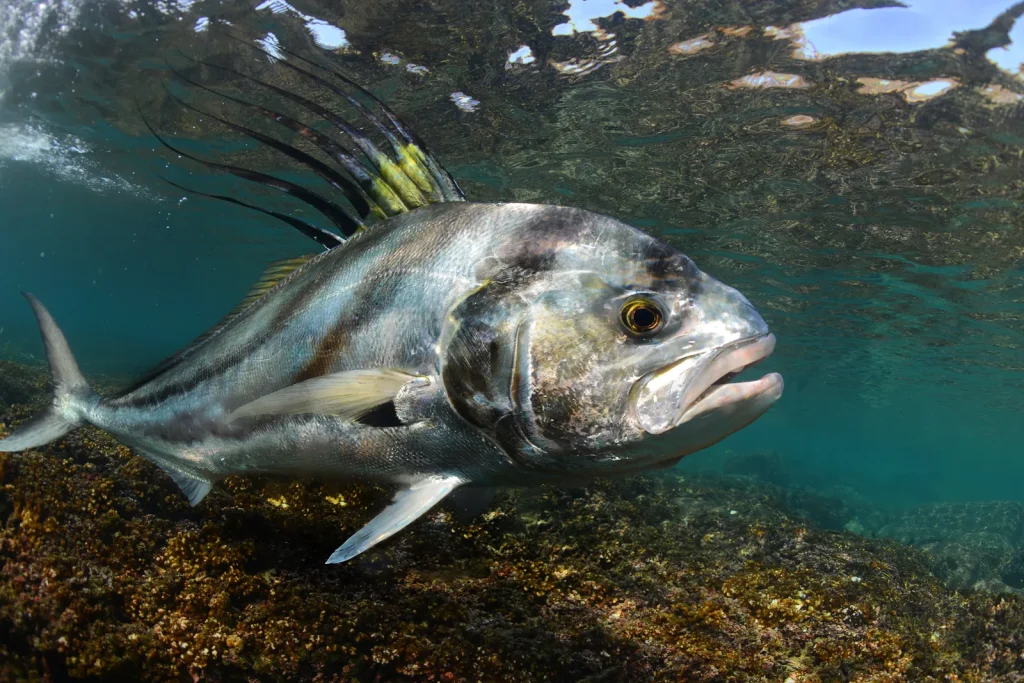
Roosterfish

Roosterfish

Max size
110 lb / 50 kg
Best time
December – June
The roosterfish is the icon of inshore fishing at Playa Potrero — instantly recognizable by the seven long comb-like spines that flare from its back when it's fired up. Found close in along the rocky points and beaches, the pez gallo is a pure gamefish: no one eats it, everyone releases it, and everyone remembers the fight. Hook one and it tears off in blistering runs, using its broad flanks to turn side-on and bulldog against the rod. They'll crash a topwater popper worked over the shallows or chase a slow-trolled live bait, which makes them a thrilling target on light tackle. Fish in the 20–40 pound range are common here, with true giants pushing past a hundred. The bite runs strongest from December through June, though a shot at a rooster is always on the table off Potrero.

How we fish it Slow-trolled live bait, topwater poppers, jigging, Rapalas
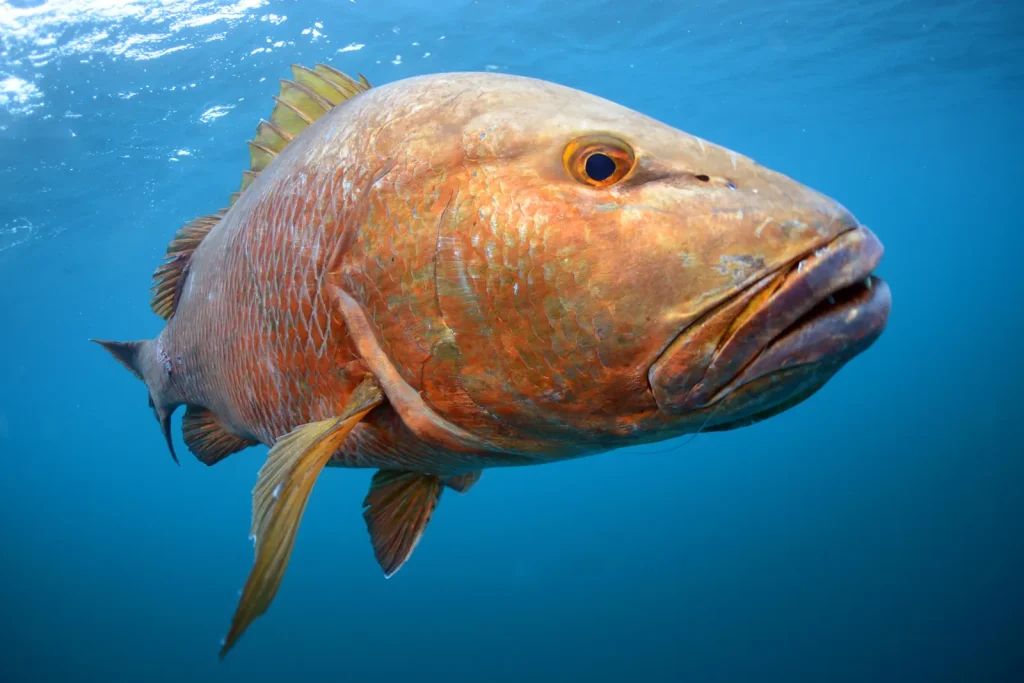
Cubera Snapper

Cubera Snapper

Max size
100 lb / 45 kg
Best time
All year
The cubera is the giant of the snapper family and one of the toughest customers on Playa Potrero's inshore reefs. Built like a bull — thick-shouldered, coppery-bronze, with a mouth full of canine teeth — a big cubera holds tight to rocky structure and volcanic ledges, and hooking one near its lair means an immediate, brutal tug-of-war to turn its head before it reefs you and cuts you off. They're slow-growing and long-lived, with the biggest fish reaching decades old, which is part of why serious anglers treat a trophy cubera with real respect. We target them with live bait worked around structure and slow-trolled along the drop-offs, plus bottom jigging when they're holding deep. They're catchable year-round off Potrero, making the cubera a dependable bucket-list fish no matter when you visit.

How we fish it Live bait, slow-trolling and bottom jigging around structure

Snook (Robalo)

Snook (Robalo)

Max size
55 lb / 25 kg
Best time
November – March (catchable year-round)
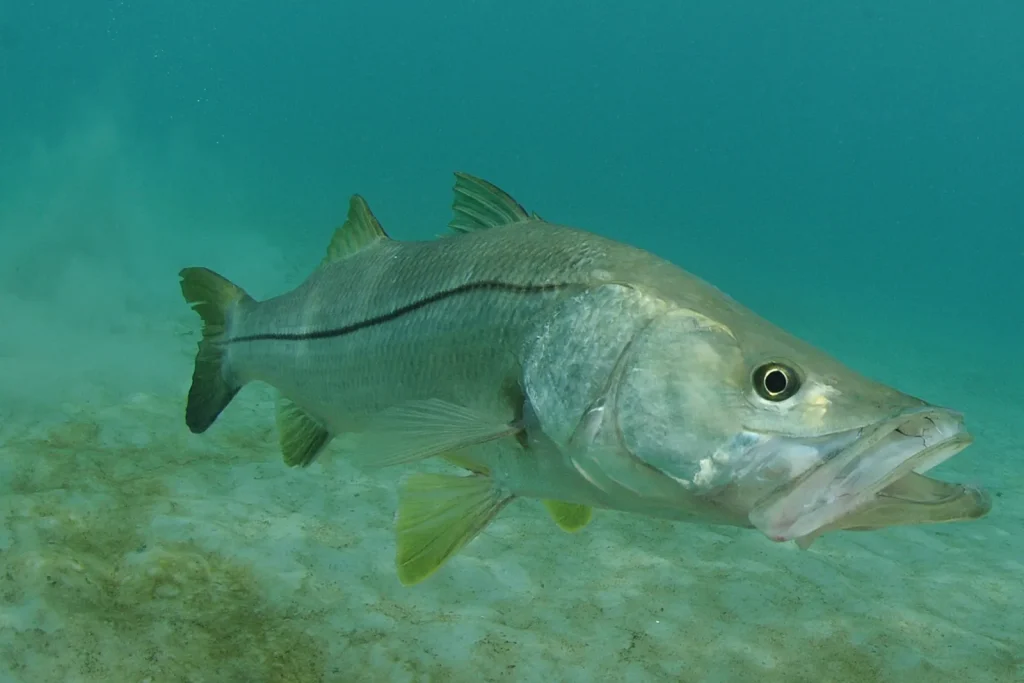
Known locally as robalo, the snook is a prize inshore catch and one of the smartest, most structure-savvy fish you'll target off Playa Potrero. That bold black lateral line and jutting underslung jaw make it unmistakable, and its habits make it a challenge: snook stack up around river mouths, estuaries, mangrove edges, and rocky points, using current and cover to ambush bait. Hook one and it fights dirty — fast runs straight back into structure, gill-rattling head shakes, and a knack for finding anything sharp to break you off on. They'll crush a well-placed topwater at first light or take live bait drifted through the strike zone. The bite is strongest from November through March around Potrero, though a shot at a robalo is on the cards year-round. Prized on the table, too.

How we fish it Live bait and topwater around river mouths, estuaries, and rocky structure

Sea Bass (Corvina)

Sea Bass (Corvina)

Max size
15 lb / 7 kg
Best time
December – April
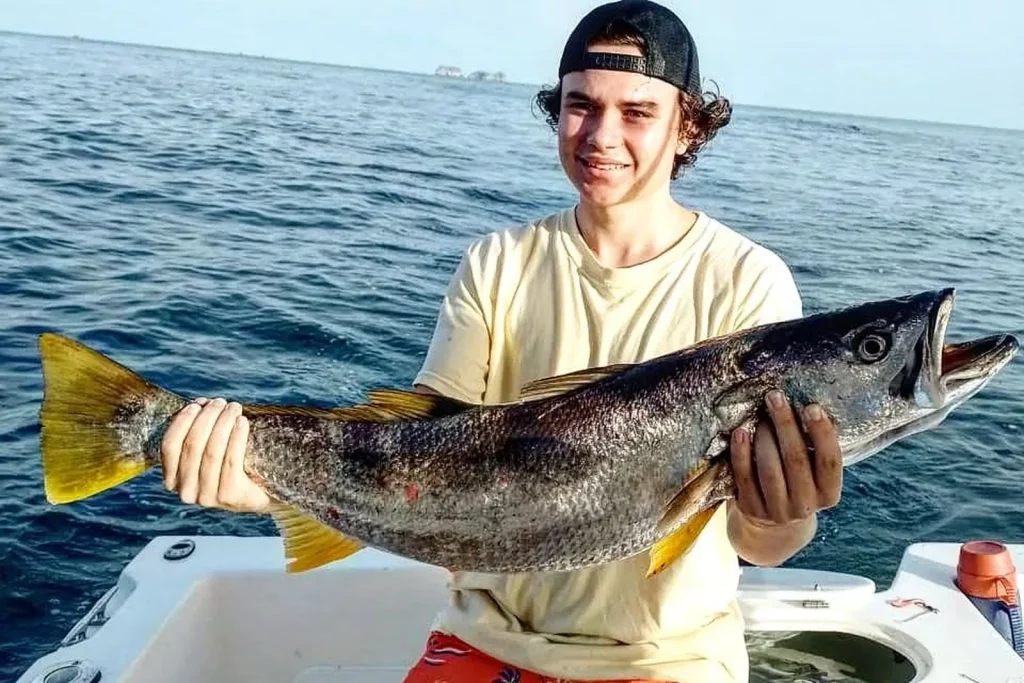
Known across Costa Rica as corvina, this silvery member of the croaker family is one of the most sought-after inshore fish off Playa Potrero — as prized at the dinner table as it is on the line. Corvina hold over sandy and rocky bottom close to shore, often in schools, hunting crustaceans and small baitfish. They're a croaker, which means they actually make a low drumming sound with their swim bladder, and while they don't grow to the size of a rooster or cubera, they pull hard for their weight and reward a well-worked bottom rig. We target them with cut or live bait fished near the bottom, plus jigging when they're schooled up. The bite is best from December through April. Corvina is widely considered some of the finest eating fish in Costa Rican waters.

How we fish it Bottom fishing and jigging with cut bait or live bait over sandy and rocky bottom

And that's not all. Playa Potrero's inshore waters hold far more than the headline species. On any given trip you might tangle with hard-charging Jack Crevalle that hit like a freight train, elusive Bonefish ghosting the shallows, or speedy Spanish Mackerel slashing through bait. Toothy Pacific Barracuda lurk around structure, Mangrove Snapper hold tight to the rocks, and acrobatic Ladyfish — the "poor man's tarpon" — keep light-tackle anglers grinning. The mix changes with the season, the tide, and the day, which is part of what makes fishing close to shore here so unpredictable. No two mornings on the water off Potrero ever look quite the same.

Out to the Blue

Offshore & Bluewater Fishing

A short run past the shelf and the bottom drops away into true bluewater. This is where Playa Potrero earns its reputation: billfish tearing across a trolled spread, tuna crashing bait balls, dorado lighting up gold beside the boat. If it's a bucket-list catch you're after, the offshore grounds off Potrero deliver. Here's what runs deep.

Marlin

Marlin

Max size
Blue: 1,300 lb
Black: 1,500 lb
Striped: 400 lb
Best time
December – April
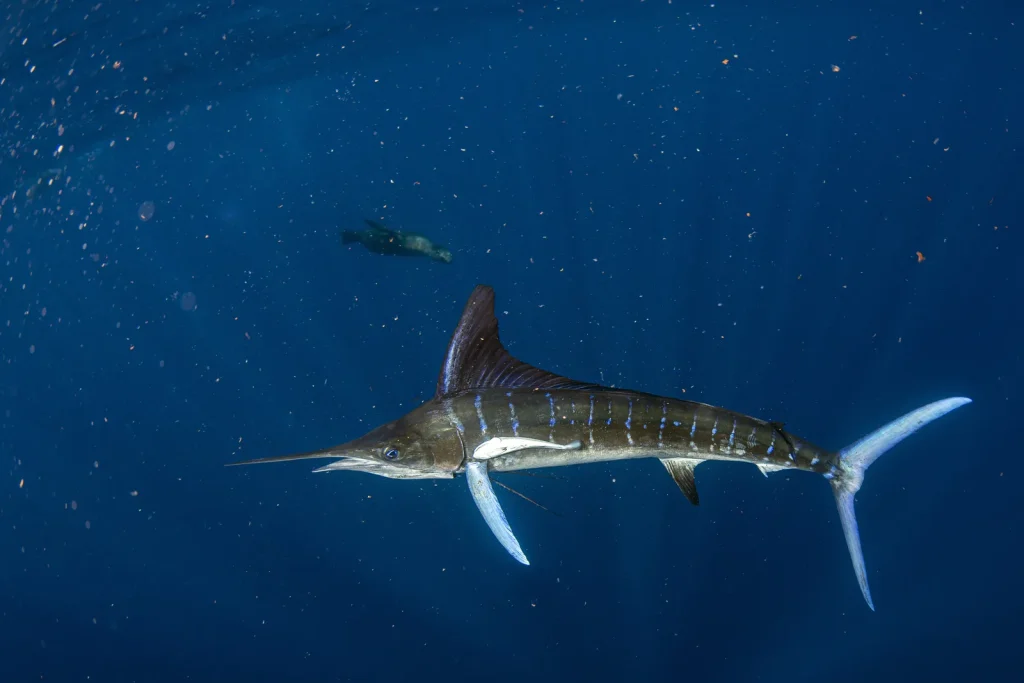
The marlin is the crown jewel of offshore fishing off Playa Potrero — the fish that puts Costa Rica's Pacific coast on the world sportfishing map. Three species run these waters: the acrobatic striped marlin, the bruising blue, and the rare, giant black. Hooked, a marlin launches into a series of greyhounding leaps that leave anglers breathless, then settles into a deep, grinding fight that can test both tackle and stamina for hours. We raise them trolling lures and rigged ballyhoo across the blue-water grounds a short run from the bay, and virtually all are tagged and released to fight another day. The bite peaks from December through April, when billfish concentrations off Guanacaste are among the best anywhere. Landing a marlin off Potrero is a genuine bucket-list achievement.

How we fish it Trolling artificial lures and rigged ballyhoo across the offshore grounds

Wahoo

Wahoo

Max size
175 lb / 83 kg
Best time
August – January
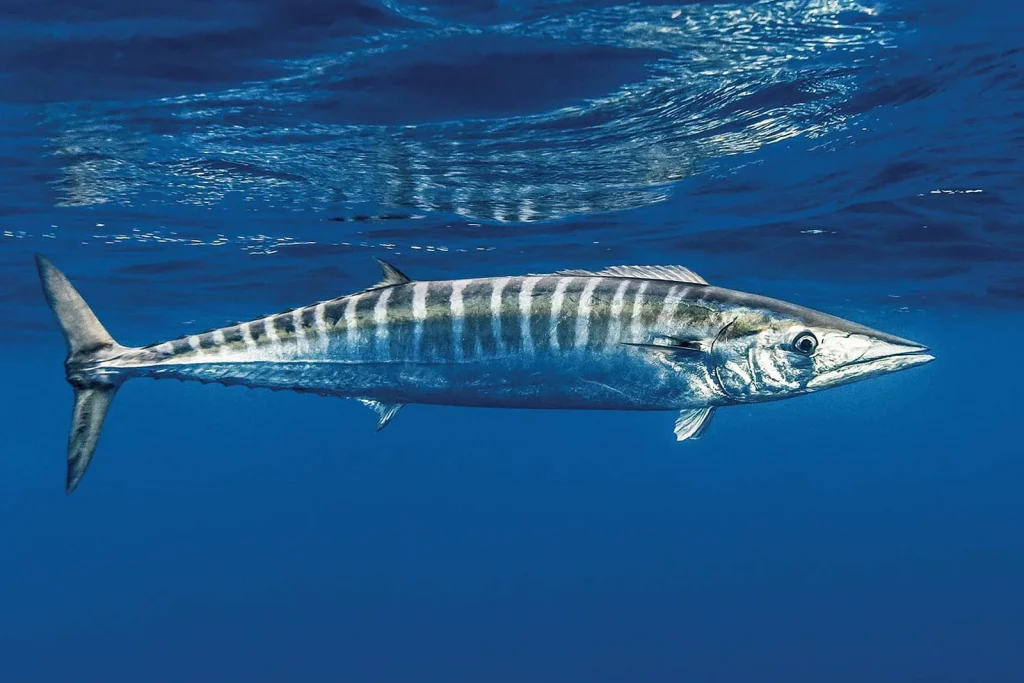
The wahoo is the speed demon of the offshore grounds off Playa Potrero — a sleek, tiger-striped member of the mackerel family built for one thing: acceleration. Capable of short bursts approaching 60 mph, a wahoo hits a trolled lure like a freight train and screams line off the reel in a first run that has to be felt to be believed. They're armed with a mouth full of razor teeth, so wire leaders are a must, and their firm white flesh makes them one of the most prized eating fish in the ocean. We target them high-speed trolling across the blue water, often as a bonus while hunting billfish. The bite runs strongest from August through January off Guanacaste, though a wahoo can crash the spread any month of the year.

How we fish it High-speed trolling with lures and rigged bait

Yellowfin Tuna

Yellowfin Tuna

Max size
350 lb / 175 kg
Best time
June – October
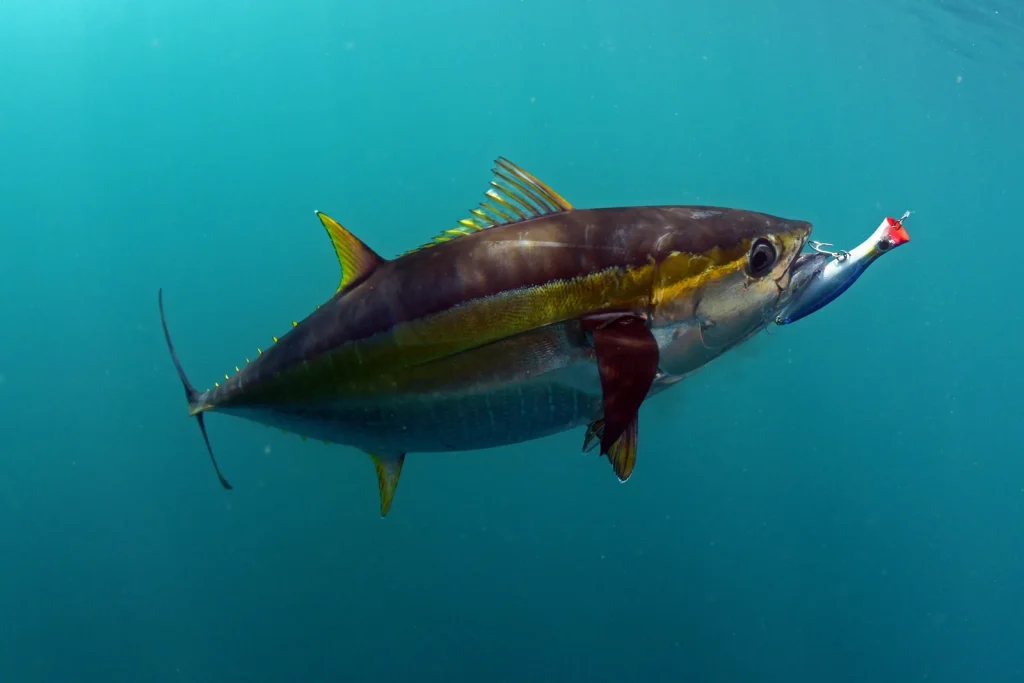
Pound for pound, the yellowfin tuna is one of the hardest-pulling fish in the ocean, and the offshore grounds off Playa Potrero produce them in serious numbers. Built like a bullet with electric-yellow finlets and a gold racing stripe, a hooked yellowfin sounds straight down and turns its whole body sideways, forcing a deep, punishing standup fight that can leave your arms burning. Out here they run with spinner-dolphin pods — find the dolphins and the tuna are usually beneath them, which makes for exciting run-and-gun fishing casting poppers into the frenzy. School fish average 20 to 60 pounds, but true cows pushing past 200 are a real possibility off Guanacaste. The bite peaks June through October, and few fish reward the effort like a big yellowfin — on the reel or on the plate.

How we fish it Trolling, live bait, and casting poppers to spinner-dolphin schools

Mahi Mahi (Dorado)

Mahi Mahi (Dorado)

Max size
85 lb / 40 kg
Best time
All year
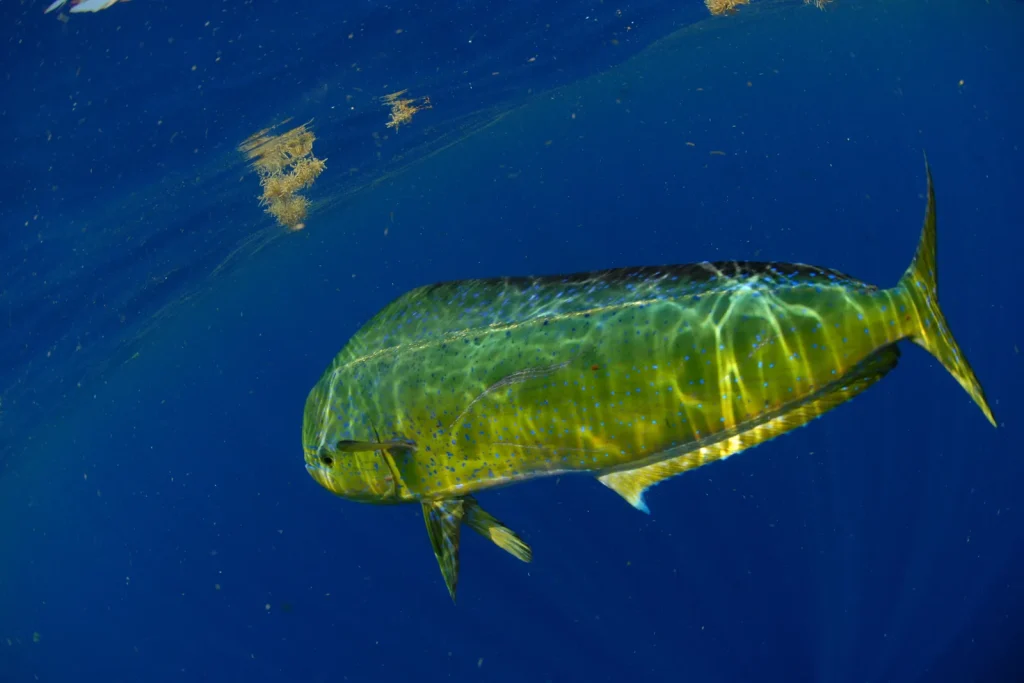
Few fish light up the water like a mahi mahi. Called dorado in Costa Rica, it flashes electric green, gold, and blue when it's lit up and fighting — a color show that fades the moment it leaves the water, which is part of what makes seeing one boatside so special. Mahi are fast-growing, aggressive, and acrobatic, greyhounding across the surface and cartwheeling through the air once hooked. They gather around anything floating — weed lines, logs, debris — so we hunt the current edges and structure a run offshore from Potrero, often finding whole schools at once. Bulls are recognizable by their tall blunt foreheads, and the biggest push past 50 pounds. Catchable year-round off Guanacaste and superb on the plate, dorado is one of the most rewarding all-around offshore targets.

How we fish it Trolling and casting around floating debris, weed lines, and current edges

Sailfish

Sailfish

Max size
220 lb / 100 kg
Best time
December – April (peak), with fish around year-round
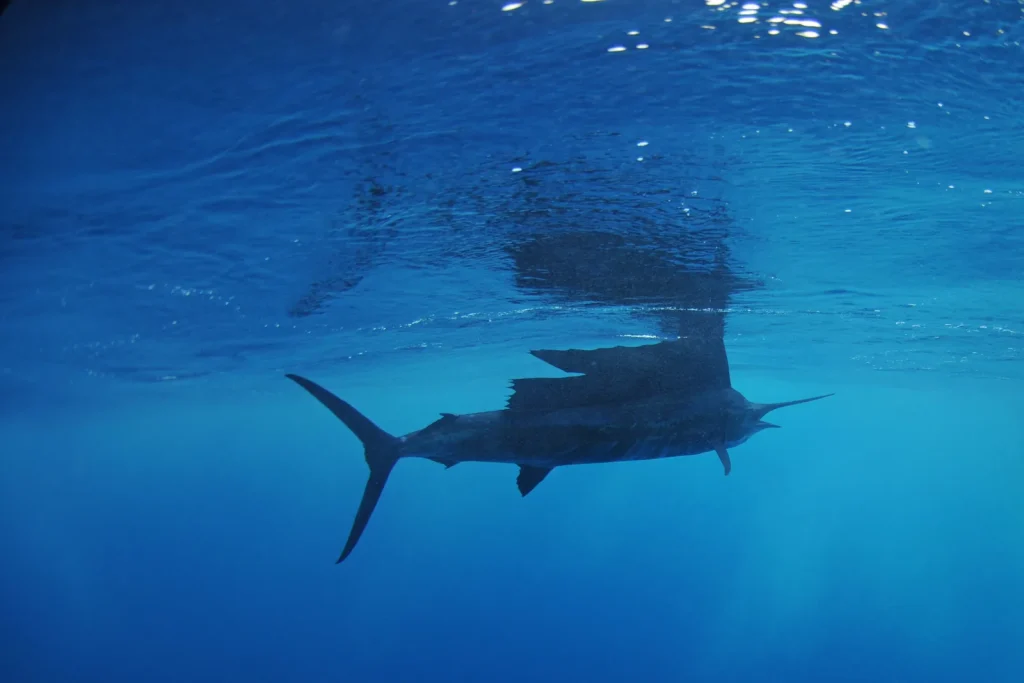
The sailfish is the acrobat of the offshore grounds and one of the most spectacular fish anywhere off Playa Potrero — famous for the huge sail-like dorsal fin it throws up when excited or fighting. It's also thought to be among the fastest fish in the ocean, capable of blistering bursts that send it greyhounding and tail-walking across the surface the instant it's hooked. Sailfish are a light-tackle thrill and the classic bait-and-switch target: we raise them on teasers, then pitch a bait to a lit-up fish crashing the spread. Nearly every one is tagged and released. Guanacaste sits within one of the most productive sailfish fisheries on earth, with the bite peaking December through April, though fish are raised off Potrero throughout the year. For many anglers, a released sail is the day's highlight.

How we fish it Trolling teasers and rigged ballyhoo; bait-and-switch to pitch baits

Ready to Get a Line in the Water?

Whether you're chasing a bucket-list roosterfish along the rocks or setting a spread for marlin offshore, our captains know where the fish are holding through every season. Tell us what you want to catch and we'll build the trip around it.

Book Your Charter